


Best Dog Walker NYC
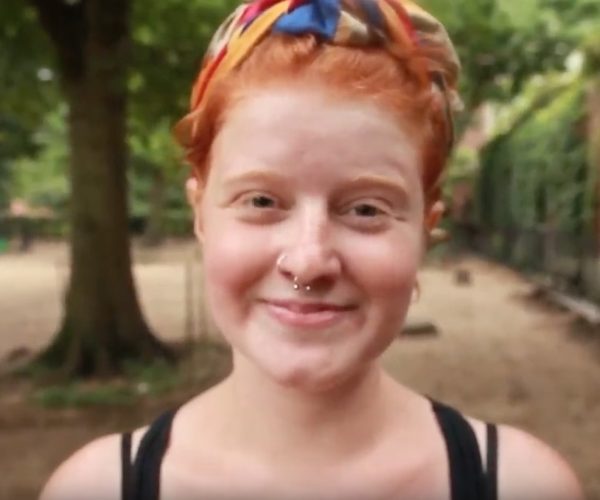
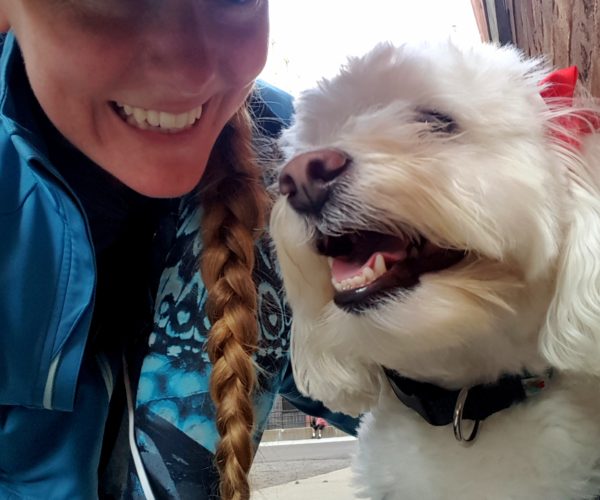
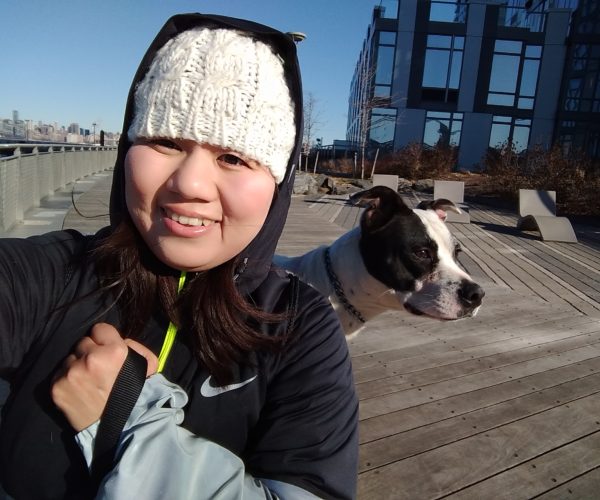
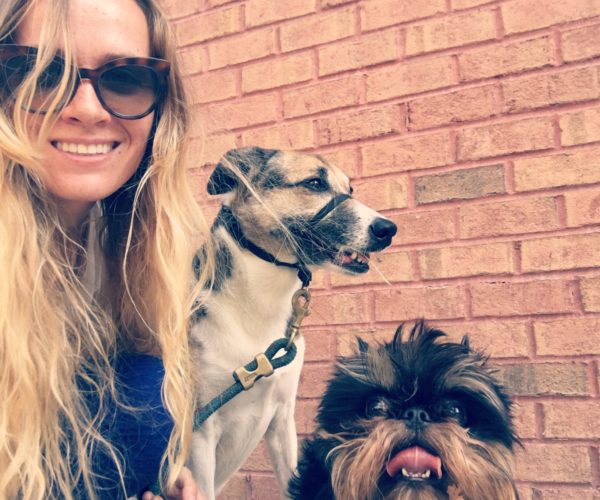
Here at Puptopia, we believe in matching each family with a highly trained, caring, professional dog walker NYC, introducing them at the initial meeting, and building a lasting relationship. Puptopia dog walkers in New York City are extensively trained in safety, dog behavior, and customer service. We’ve been caring for NYC dogs since 2005 and are now proud to be partnered with NYC Pooch, one of New York City’s most iconic dog walking companies. Together we strive to bring our signature brand of personalized dog walking to the good dogs (and humans) of New York City. Please check out our services and schedule a meet and greet today.

Dog Walking
Meet your neighborhood dog walker, set up a schedule, or request walks as needed. Receive daily updates, photos, GPS and more.

Puppy Care
Puppies have special needs, our puppy experts can visit more frequently, stay in-doors, or go out for a quick potty break - then spend the rest ion the time playing fun games, socializing them and tiring them out.

Pet Sitting
Let us be your dog's side kick while you're away. Book your regular walker so both you and your dog can be comfortable with someone they know and trust. Stay in touch with daily updates, photos, and more.

Meet your NYC dog walker
Make a connection
We believe consistency matters, so we work hard to structure our dog walking routes in a way that makes sense for our clients, and for our walkers. Dogs do better when they are with someone they know and trust. Schedule a meet and greet with your neighborhood dog walker in NYC and let that beautiful friendship blossom. If your regular walker calls out sick or goes on vacation, we’ve got your covered! Our back up walkers are just as amazing, we keep copious notes on your dog so that your dog’s care remains consistent.
How Puptopia Works

Tell us about your dog
Get in touch with our quick online form to discuss the unique needs of your pup.
Meet your dog walker
Meet your NYC dog walker and make sure it's the perfect match. (meet our team)
Let the good times roll
Begin scheduling walks as needed. Regular or occasional, it's your choice!
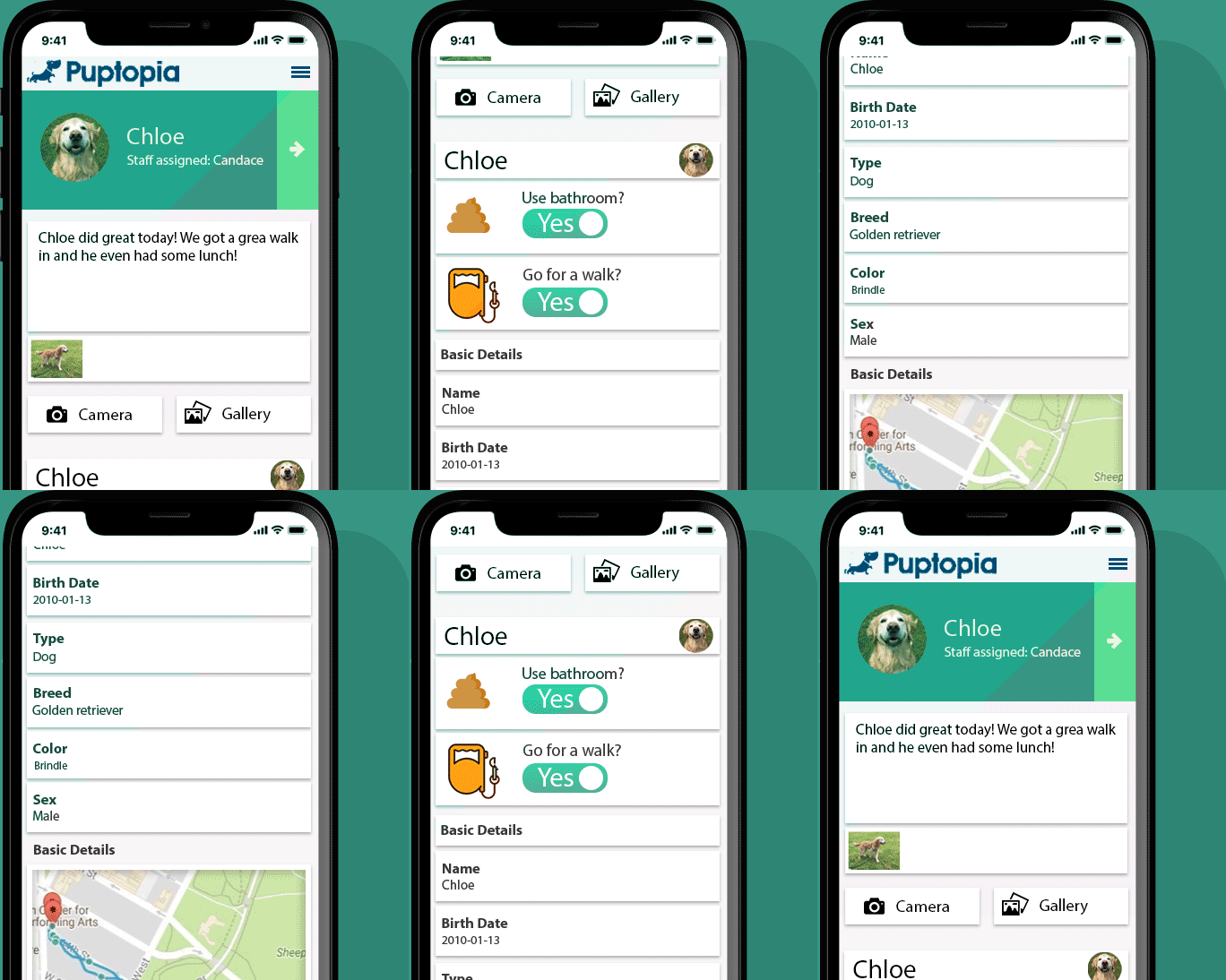
Use our mobile app to stay in touch

Receive check-in/ check-out alerts with GPS Tracking
You'll know exactly when your dog walker arrived, where they went on their walk, and when they were brought home.
Stay in control of your schedule
Our App makes it simple and easy to view your schedule, request changes, and add special visit notes to pass along to the walker
Pup-Reports sent after each visit
Receive a thoughtful note after each visit, with pictures, GPS route taken, check list of important details, and even chat directly with your dog walker through the app
Why Puptopia?
Our philosophy is simple: Be a good company, and pay attention to the details. Sounds simple, but it’s how we approach everything. From finding and training our staff, to working closely with each client to really understanding their needs. Being a good company is caring for our clients the way we would want to be cared for. It also means caring for our staff and supporting their growth. Dog walking is a labor of love. We pride ourselves on working with the best, and training them to be even better. Meet one of our walkers today and see the difference it makes in your pup’s life.
Our most popular dog walking services NYC
Our dog walking rates are straight forward with no contract required. We offer 30 min and 60 min options for both puppy care and dog walking in NYC. Discounts available for multiple visits per day. We schedule all our appointments in two hour windows (1 hour for puppies under 6 months). Setting up a regular schedule is recommended to ensure availability.
EXTRAS – early / late / evening / weekend / second dog fee +$10.
Holidays Must Be Reserved in Advance & Are Based On Availability.
Dog Walking
30 min walk
$24
An adventure through your neighborhood park - Add $1 to make it a solo walk
60 min walk
$34
For pups with extra energy to burn. Add $1 to make it solo
Puppy Care
30 min Puppy visit
$25
For puppies still waiting for all their shots and the green light from their vet to start going out on walks.
60 min Puppy Visit
$35
For puppies with tons of energy to burn